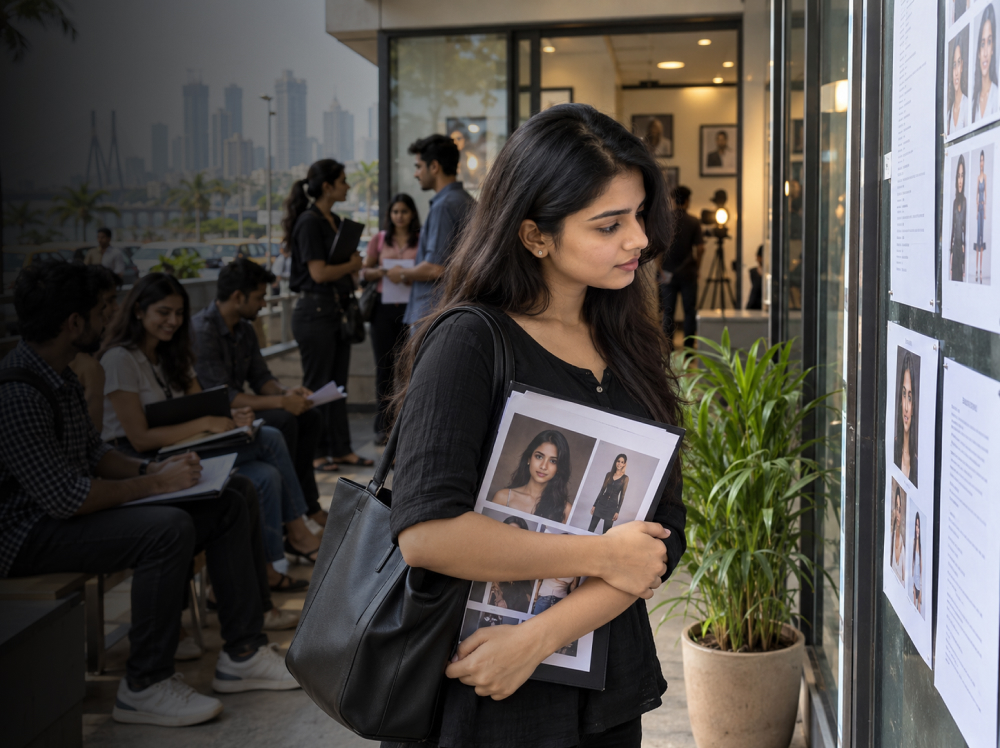
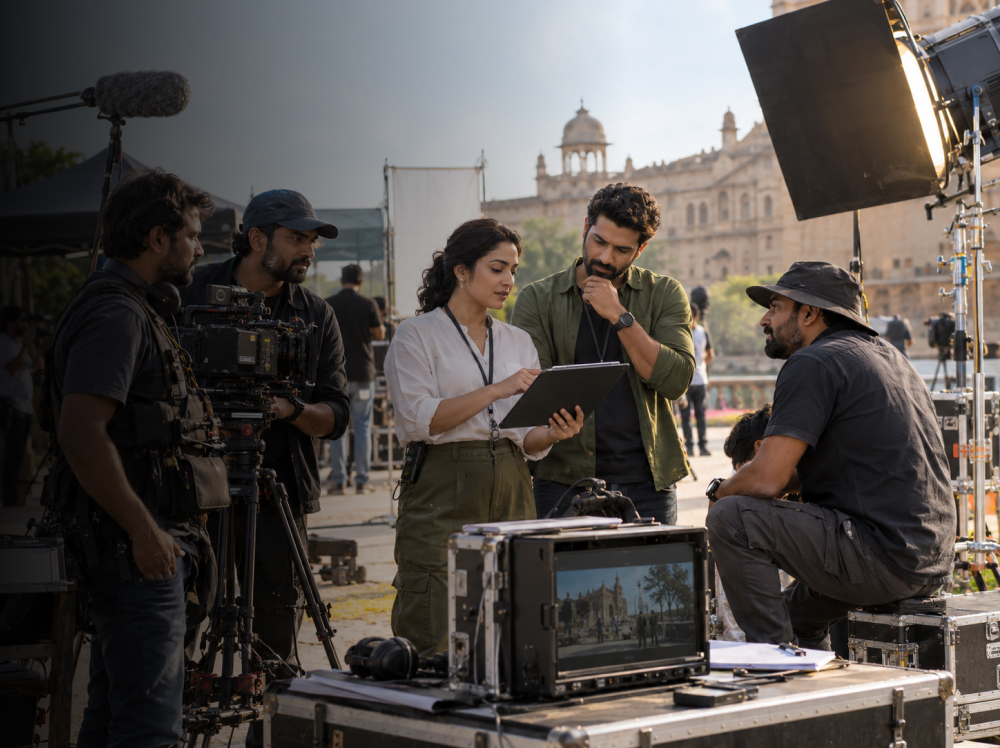
The AI protections for actors agreed in 2026 come from the SAG-AFTRA TV/Theatrical Agreement, in force from July 1, 2026. Producers need an actor's consent to create or use a digital replica, must pay for that use, and must bargain with the union before using a synthetic performer. The contract does not cover productions in India.
What are the new AI protections for actors in 2026?
The new AI protections for actors are contract terms agreed between SAG-AFTRA, the US performers' union, and the AMPTP, the body that bargains for the major studios and streaming services. Members ratified the agreement on June 4, 2026, with 91.42% voting in favor on a 19.25% return. It runs from July 1, 2026 to June 30, 2030, and covers television, theatrical and streaming production made under the union's contracts.
The SAG-AFTRA AI contract terms build on rules first won in 2023, which established consent and payment for digital copies of a performer. The 2026 text tightens them and sets a higher bar for AI-generated characters in human roles. SAG-AFTRA publishes the summary, the full memorandum and four AI explainers on its contract page.
Key terms: digital replica, synthetics, consent and compensation
Two terms carry most of the AI protections for actors in this contract. A digital replica is a digital copy of a specific, recognizable performer's voice or likeness. A synthetic is an AI-generated character that looks like a real person and is not recognizable as any particular one.
| Term | Plain-language meaning | What the 2026 contract requires |
| Employment-based replica | A copy made with the actor taking part, usually from a scan on set | Consent. The producer must also have an "articulable business reason" for asking to scan |
| Independently created replica | A copy the producer did not make, such as one the actor already owns | Consent, pay of at least the day performer minimum, and residuals where a human performance would earn them |
| Synthetic | A generative AI character in a role where no human was hired, made to pass as a real performer | Notice to the union, bargaining, and proof of "significant additional value" |
| Consent | The actor's agreement to a described use of their voice or likeness | Required before a replica is created or used |
| Compensation | Payment for creating and using a replica | Pay plus benefit contributions. Rates are not quoted here |
A character voiced by a human actor falls outside the definition of a synthetic in the union's referendum booklet.
What changes for actors
The AI protections for actors working under the contract mean more uses of a face or voice now need agreement and trigger payment. Four changes matter most.
- Scans need a reason. A producer asking to scan a performer must have an articulable business reason, though the contract does not oblige the producer to state it up front.
- Replica pay has a floor. Until now, pay for an independently created replica was freely bargained. The 2026 text sets the day performer rate as the minimum and adds residuals where a human performance would qualify for them.
- Dubbing needs consent. The earlier contract let producers use a replica to render a performance into another language without asking. That rule is reversed for films that start principal photography on or after July 1, 2027.
- Changes stay inside the script. Digital alterations are allowed only within what was scripted when the actor performed the scene.
The contract also limits biometric data collection, bars sexualized replicas of minors, and stops replicas standing in for performers on strike.
The dubbing rule is the one to watch from here. Indian films routinely release in several languages, and dubbing is a profession of its own across the regional film industry in India. Reading a consent clause is now one of the working film industry skills.
What changes for casting teams
For casting teams, the AI protections for actors make a human performer the default for any human role and put the burden on the producer to justify anything else. The text says "Producers agree to a principle strongly favoring human performances," and that they do not intend to use a synthetic in a human role unless it brings "significant additional value" to the film. A replica of a real actor counts as human performance for this test, so synthetic performers have to beat that option too.
Before using a synthetic, the producer must notify the union and bargain on a fixed schedule. If that step is skipped, SAG-AFTRA can seek damages in arbitration that are not capped at what a human performer would have been paid.
The contract also deals with AI in casting more directly. A producer "may only use a recording of an interview or audition (including a self-tape) for casting purposes" and cannot make it public without the performer's written consent.
The International Casting Directors Association's statement on AI in casting, published in May 2026, draws the same line: "The ultimate decision-making power must always rest with humans," and data uploaded for casting "must not be repurposed, especially not for the training of AI algorithms."
Artisty connects productions and casting teams with actors through profiles built from each actor's own credits and reels, so a search begins with a person and their work.

What the contract does not do
Read as AI protections for actors, the terms have limits. The contract does not ban AI-generated characters, and it does not apply outside productions made under SAG-AFTRA agreements. Synthetic performers remain permitted once the producer has bargained with the union. The agreement summary does not list what counts as "significant additional value," so bargaining and arbitration will define it. The rules on AI in casting bind producers under the contract and leave independent casting platforms to their own terms.
Variety reported member concerns about the AI terms before the vote, and RedShark News noted that the four-year term rules out a strike over AI until 2030. On AI training, the SAG-AFTRA AI contract goes only as far as notice: a producer that licenses performances to train a public-facing generative AI system owes the union written notice and a meeting. The summary describes no consent right and no payment.
AI protections for actors in India: lessons from the contract
No part of the SAG-AFTRA AI contract binds an Indian production. Actors in India are protected today through court orders and platform rules, and the contract's practical lesson is what to get in writing before a shoot.
There is no dedicated statute on personality rights in India. Courts have built the protection from common law, copyright and trademark principles, as WIPO Magazine explains. The Delhi High Court protected an actor's name, image and voice in Anil Kapoor v. Simply Life India in 2023. In 2024 the Bombay High Court held, in Arijit Singh v. Codible Ventures, that offering AI tools that convert any voice into a celebrity's without permission violates personality rights. Lawyers quoted by The Week in September 2026 were still calling for a single law on personality rights in India.
Platform rules are the second layer. Amendments to the IT Rules notified on February 10, 2026 and in force from February 20 require prominent labels on synthetically generated content and faster takedowns. They govern what platforms do after content exists, and say nothing about what a production contract may ask an actor to sign.
Case law on personality rights in India has been made by well-known names, because a court order starts with a suit. A day player or dubbing artist is more likely to rely on the contract in front of them. We could not find published collective AI terms from an Indian actors' association as of October 2026, so ask yours directly. CINTAA represents actors, and the Association of Voice Artists of India has been briefing its members on consent.
Until India has its own AI protections for actors in a collective agreement, the SAG-AFTRA text is a useful checklist. Raise five questions before you sign and take vague answers to a lawyer. This list is not legal advice, neither the Indian legal system is bound to abide SAG-AFTRA checklist.
- Scan. Is a face, body or voice scan part of this job, and what will it be used for?
- Scope. Is any digital copy limited to this title, or can it appear in sequels, promos or other projects?
- Language. Can my voice be cloned to dub the film into other languages, and do I approve each one?
- Changes. Can my performance be altered beyond the script I shot?
- Pay and credit. Is reuse of my likeness paid separately, and how will I be credited?
If this is your first contract, read our guide to jobs in the film industry for freshers. Keep your own record as well. An Artisty profile puts your credits and reels in one place you control, and KalaAi verifies skills through a skill check and a short interview that earn a verified badge. Credits on a profile are entered by you. Artisty and KalaAi do not confirm credits, verify identity or enforce contracts.

Conclusion
The 2026 contract settles three things for the performers it covers. A digital copy of an actor needs that actor's consent. Using it is paid work. An AI-generated character has to justify itself against a human being before it takes a human role. For casting teams, the job stays with people choosing people.
None of this travels to India automatically. Here, AI protections for actors still depend on what a court will order and what your own contract says, so the written terms and your own records are what you can act on now. Our guide to film industry jobs covers how that work is structured.
Start with the record: add every credit and a reel for each kind of work you do, then take the KalaAi skill check and short interview for a verified badge. Create your Artisty profile.
Frequently Asked Questions
Can studios use AI to replace actors under the 2026 contract?
Not freely. Under the 2026 SAG-AFTRA agreement, a producer must notify the union and bargain before using a synthetic in a human role, and must show that it brings "significant additional value" over a human performer or a replica. The union can take violations to arbitration. Synthetic performers are restricted, not banned.
What is the difference between a digital replica and a synthetic performer?
A digital replica copies a specific, recognizable performer's voice or likeness and needs that performer's consent. Synthetic performers, called synthetics in the 2026 contract, are AI-generated characters that look like real people and are not identifiable as anyone in particular. Replicas trigger consent and pay for an individual. Synthetics trigger notice and bargaining with the union.
Do actors get paid when their digital replica is used?
Yes, under the SAG-AFTRA contract. Creating and using a digital replica is compensated, with benefit contributions, and residuals apply where a human performance would earn them. From 2026, a replica the producer did not create must be paid at no less than the day performer minimum. Rates are published by the union.
Do the new AI protections apply to actors in India?
No. The SAG-AFTRA AI contract covers union members on productions made under its agreements with AMPTP studios and streamers. For performers here, protection comes from court orders on personality rights in India, platform labeling rules for synthetic content, and the terms of each actor's own contract. An Indian actor hired on a SAG-AFTRA production should ask which agreement governs the job.
Can a casting platform use my self-tape to train AI?
It depends on the platform's terms. The 2026 contract limits producers to using audition recordings, including self-tapes, for casting, and the International Casting Directors Association says data uploaded for casting must not be reused to train AI. Neither binds every platform, so read its terms on AI in casting and data use before you upload.