
Why Sourcing the Right Talent in the Film Industry Is Broken (And What Actually Works)
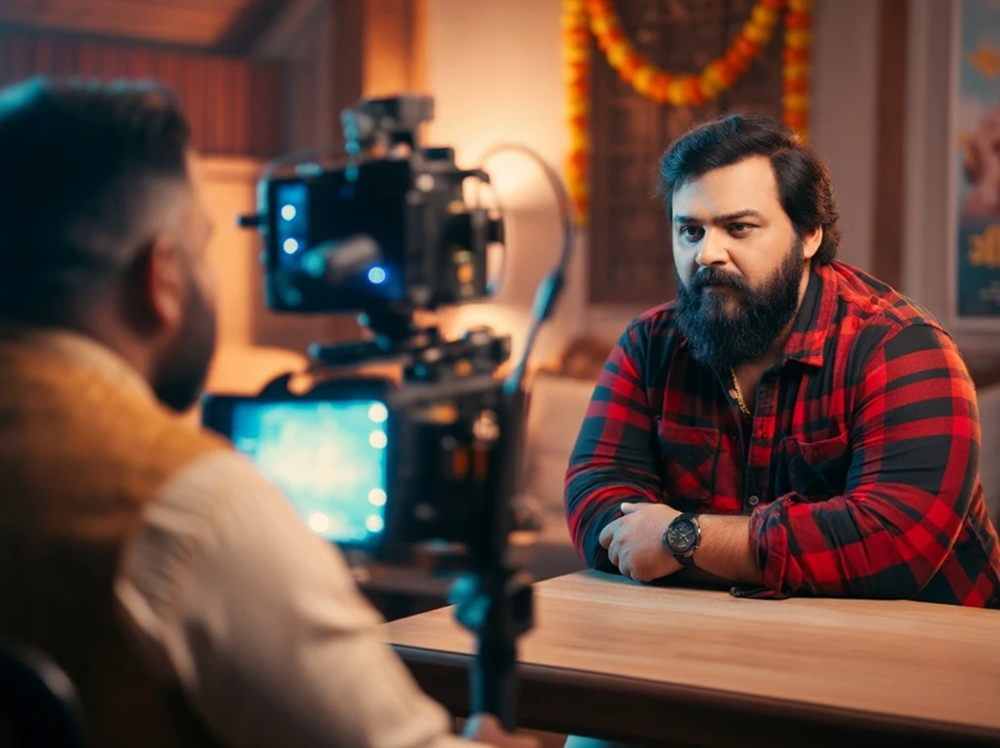
Every project starts with the same intention. Get the right people together and everything else will follow. But in the film industry, sourcing the right talent is rarely that straightforward. People talk about hiring the “best” talent, but in reality, most decisions are driven by familiarity, availability, or urgency. Someone who has worked with the team before is brought in again. Someone recommended by a trusted contact gets the role. And sometimes, the decision simply comes down to who is available at that moment. This creates a gap between what teams want and what they actually get.
The difference between availability and the right fit
There is a big difference between hiring someone who is available and hiring someone who is the right fit. But in an unstructured system, that difference often gets ignored. When timelines are tight, teams don’t have the luxury to explore beyond their immediate network. They need quick answers, so they rely on the fastest option, not necessarily the best one. At the same time, many skilled professionals remain completely out of reach. There are countless freelance filmmakers, editors, writers, and actors who could be a perfect fit for a project, but they are never considered simply because they are not visible within the right circles.This is where the system starts to fail both sides.
Why sourcing talent is fundamentally broken today
The core issue is not talent scarcity. It is the lack of a structured discovery system. There is no consistent way to search for talent across the industry. No standard way to evaluate skills beyond word-of-mouth. No reliable casting platform that connects the right people to the right opportunities at scale. As a result, sourcing becomes reactive instead of intentional. Teams look for talent only when they need it, and they look within the same limited pool every time. Freelancers, on the other hand, spend most of their energy trying to stay visible, reaching out, following up, and hoping their work reaches the right person at the right time.This is not an efficient system. It is a workaround that has become the norm.
What actually works: moving from network-first to skill-first
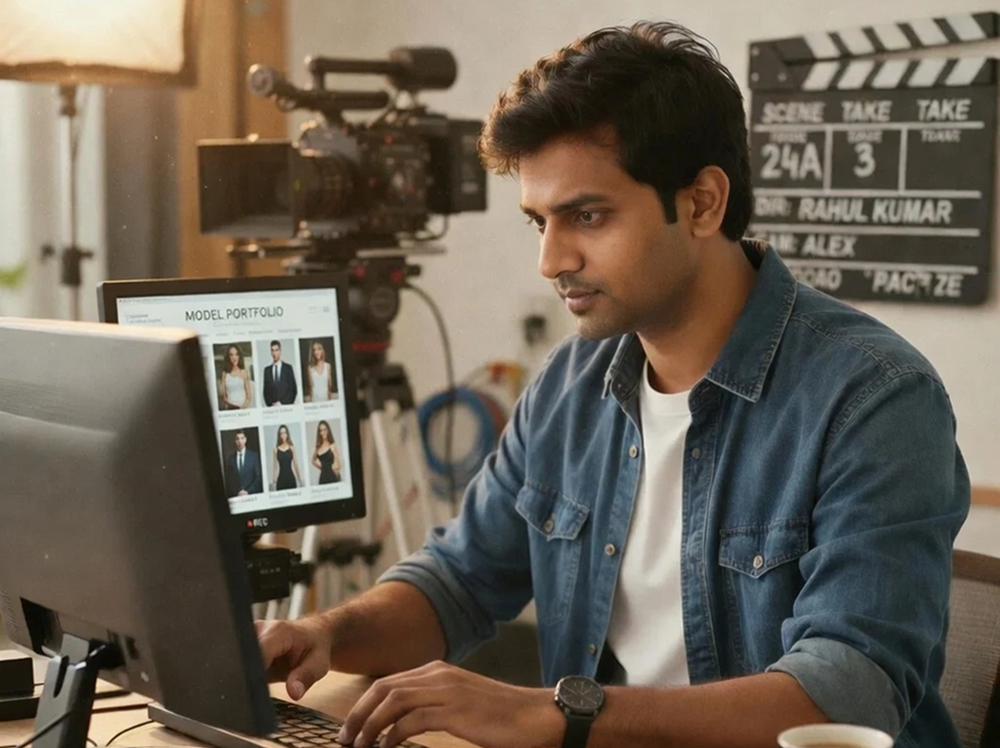
The shift that needs to happen is simple, but powerful. Hiring needs to move from network-first to skill-first.Instead of asking “Who do we know?”, the question should be “Who is the best fit for this role?” This requires a system where talent is not just listed, but structured. Where portfolios clearly reflect the kind of work someone has done. Where skills are verified, not just claimed. And where matching happens based on relevance, not familiarity.
When sourcing works this way, everything improves. Hiring becomes faster because the search is focused. Decision-making becomes easier because information is clear. And outcomes improve because the right people are actually being chosen.
The role of modern casting platforms
This is exactly where modern casting platforms start to play an important role.
A strong casting platform in India should not just act as a directory. It should actively solve the problem of discovery. It should help hiring teams find talent beyond their immediate networks, and help freelancers become visible in a meaningful way.
Platforms like Artisty are built around this idea. They focus on structuring talent, validating skills, and making it easier to match freelancers to the right opportunities.
For hiring teams, this means less time searching and more confidence in decisions. For freelancers, it means being seen for what they can actually do, not just who they know.
Why this shift matters for freelancers
For film industry freelancers in India, this shift is critical. Because for a long time, access to opportunities has depended heavily on networks. If you didn’t have the right connections, your growth was slower, no matter how good your work was. Now, that dependency is starting to reduce. When your work is part of a structured platform, your chances of being discovered increase significantly. You are no longer limited to your personal network. Your portfolio, your skills, and your experience start working for you in a much more direct way.
Final thought: the right system changes everything
Sourcing the right talent should not be a struggle. It should be a process that is clear, efficient, and based on actual fit. The industry is slowly moving in that direction. And as that shift happens, both freelancers and hiring teams need to adapt. If you are a freelancer, this is your opportunity to step into a system that values your work, not just your connections. Create your profile, build a strong portfolio, and make sure you are visible where real opportunities are being matched.Because the future of film industry jobs will not be driven by who gets recommended. It will be driven by who is the right fit, and who can be found at the right time.